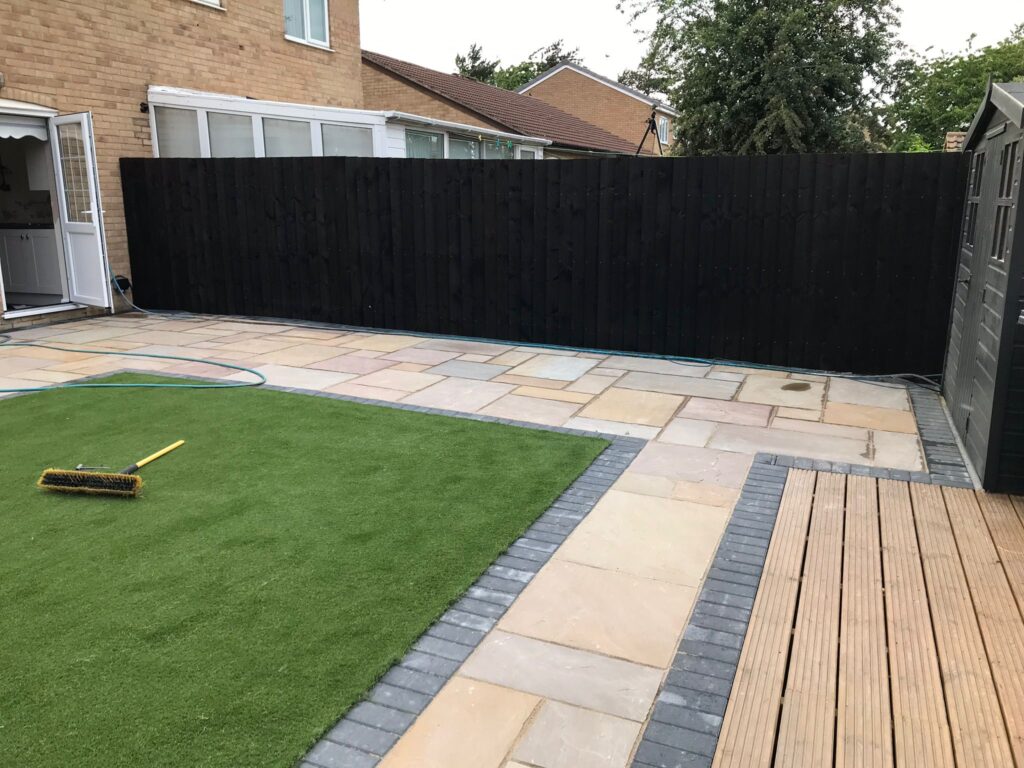
How to Bring Your Garden to Life with a Block Paving Patio
A well-designed patio can turn an underused part of the garden into a practical and inviting outdoor living space. It provides a defined area for relaxing, dining and entertaining while creating a stronger visual connection between the home and garden.
Block paving is particularly well suited to patio construction because it combines durability with considerable design flexibility. With careful planning and professional installation, homeowners in Godmanchester, Cambridgeshire, can create a patio that complements their property and makes the garden more enjoyable throughout the year.
Why Choose Block Paving for a Garden Patio?
Block paving consists of individual paving units laid in a carefully planned pattern over a prepared foundation. The wide choice of colours, shapes and laying styles makes it possible to tailor the finished patio to both traditional and contemporary surroundings.
Its main advantages include:
- A broad range of colours and finishes
- Flexible layouts for gardens of different shapes
- Defined borders and contrasting design details
- A firm surface for seating and dining areas
- Straightforward access for localised maintenance
- A neat transition between the home and garden
Unlike a single continuous surface, block paving can be arranged to create patterns, zones and decorative features. This gives homeowners greater control over the appearance and character of the finished space.
Plan the Patio Around How You Will Use It
Good patio design begins with its intended purpose. A compact seating area may require a different layout from a larger space designed for outdoor dining and entertaining.
Consider the furniture you want to use and allow enough room for chairs to be moved comfortably. Regular walking routes should remain clear, particularly between the property, lawn, driveway and garden features. A patio that looks spacious when empty can quickly feel restricted if furniture placement has not been considered during planning.
The position is equally important. Sunlight, shade, privacy and views of the garden can all affect how pleasant the patio is to use. Planning around these factors helps create an area that works naturally with the property.
Use Colour and Pattern to Complement the Garden
Block paving offers opportunities to give the patio a distinctive yet balanced appearance. The colour should relate well to the property, surrounding landscaping and any other paved surfaces.
Neutral shades can create a calm and timeless finish, while blended tones introduce subtle variation. Darker borders may provide definition without making the design overly decorative.
Popular laying patterns can also influence the appearance of the space. Some patterns create a traditional feel, while simpler arrangements may suit a more contemporary garden. The aim should be to choose a design that enhances the overall setting rather than competing with it.
Define Different Areas with Borders and Details
A block paving patio can be designed as more than one large, uninterrupted area. Contrasting blocks can define seating zones, mark pathways or create a visual boundary around planting beds.
Thoughtful features may include:
- Contrasting perimeter borders
- Curved edges around lawns or flower beds
- Integrated paths leading through the garden
- Decorative sections beneath seating areas
- Coordinated steps between different levels
These details can make the garden feel more organised while helping the patio become part of the wider landscape.
Why the Foundation Is Essential
The visible blocks are only the top layer of a correctly installed patio. Its long-term stability depends on the preparation underneath.
The ground must be excavated to the appropriate depth before a stable sub-base is installed and thoroughly compacted. The laying layer then needs to be prepared evenly so that each block is properly supported. Effective edge restraints are also required to prevent the paving from spreading or moving.
If these stages are rushed, the patio may develop sunken sections, uneven blocks or open joints. Professional ground preparation helps the surface remain level and comfortable underfoot.
Plan Drainage from the Beginning
Rainwater must be able to leave the patio efficiently. Poor drainage can create puddles, encourage surface growth and allow water to affect the supporting layers.
The patio should therefore be installed with carefully controlled falls that guide water in the intended direction without creating an obviously sloping surface. Existing garden levels, nearby structures and adjoining paths must all be assessed before work begins.
Drainage should form part of the initial design rather than being treated as an afterthought.
Connect the Patio with the Rest of the Garden
A successful patio should feel connected to its surroundings. Matching or complementary paths can lead from the patio to the lawn, side access or other garden features. Curved boundaries may soften the transition into planted areas, while straight lines can create a more formal appearance.
Planting can further improve the setting. Borders, pots and raised beds introduce colour and texture around the paving, helping the hard surface sit naturally within the garden. Leaving adequate space for greenery can prevent the area from feeling overly paved.
Keeping Block Paving in Good Condition
Routine care helps preserve the patio’s appearance and performance. Leaves, soil and organic debris should be swept away regularly, while joints and drainage points should be kept clear.
Occasional checks can identify movement, settlement or jointing material loss before these issues become more extensive. Because the surface is made from individual units, affected blocks can often be lifted and reinstated once the underlying cause has been addressed.
Conclusion
A block paving patio can bring a garden to life by creating an attractive, practical space for everyday outdoor living. Its colours, patterns, borders and flexible layouts allow the design to complement both the property and surrounding landscape.
The best results depend on careful planning, correct drainage, strong edge restraints and a properly prepared foundation. Godmanchester Driveways & Patios provides professionally planned and installed block paving patios in Godmanchester, Cambridgeshire. If you would like to make better use of your garden, contact the team to discuss a patio design suited to your space.
Call us on: 01480 270 994
Click here to find out more about Godmanchester Driveways & Patios
Click here to complete our contact form and see how we can help with your driveway needs.